Bullying remains one of the most pressing concerns for parents and educators worldwide. As children navigate their formative years, understanding the complexities of bullying becomes essential for creating safe, nurturing environments where young minds can thrive.
Bullying extends far beyond momentary discomfort, it leaves lasting scars on young learners. Psychologically, children who experience bullying often develop anxiety, depression, and low self-esteem that can persist into adulthood. They may struggle with trust issues, experience difficulty forming relationships, and suffer from post-traumatic stress. Academic performance typically declines as victims find it increasingly difficult to concentrate or even attend school regularly.
Physically, the effects can be equally devastating. Beyond visible injuries, children often experience psychosomatic symptoms including headaches, stomach aches, sleep disturbances, and changes in appetite. The chronic stress of bullying can weaken immune systems, making children more susceptible to illness.
Parents must remain vigilant for signs that their child may be experiencing bullying. Behavioural changes are often the first indicators: sudden reluctance to attend school, declining grades, or withdrawal from previously enjoyed activities. Physical signs might include unexplained bruises, damaged belongings, or frequent complaints of illness, particularly on school mornings. Emotional red flags include increased irritability, mood swings, nightmares, or expressions of worthlessness.
Addressing bullying requires a multi-faceted approach. Parents should maintain open communication with their children, creating safe spaces where kids feel comfortable sharing their experiences without fear of judgment. When bullying is identified, document incidents thoroughly and collaborate immediately with school administrators and teachers. Teaching children assertiveness skills, building their confidence, and helping them develop strong peer relationships creates protective factors against bullying. Equally important is educating children about being upstanders rather than bystanders, empowering them to support peers who are being bullied.
Progressive institutions like CHIREC International School recognise that eliminating bullying requires proactive, comprehensive strategies. Their anti-bullying approach represents a holistic approach to creating genuinely safe learning environments across all campuses.
CHIREC is deeply committed to the physical and mental health and safety of all pupils, including both CBSE and international students. The school maintains a set of rigorous policies and an airtight framework to ensure that students are protected from harm, abuse, or neglect. Their Safeguarding Policy is designed with robust systems and procedures in place, utilising all available resources to safeguard the best interests of every child.
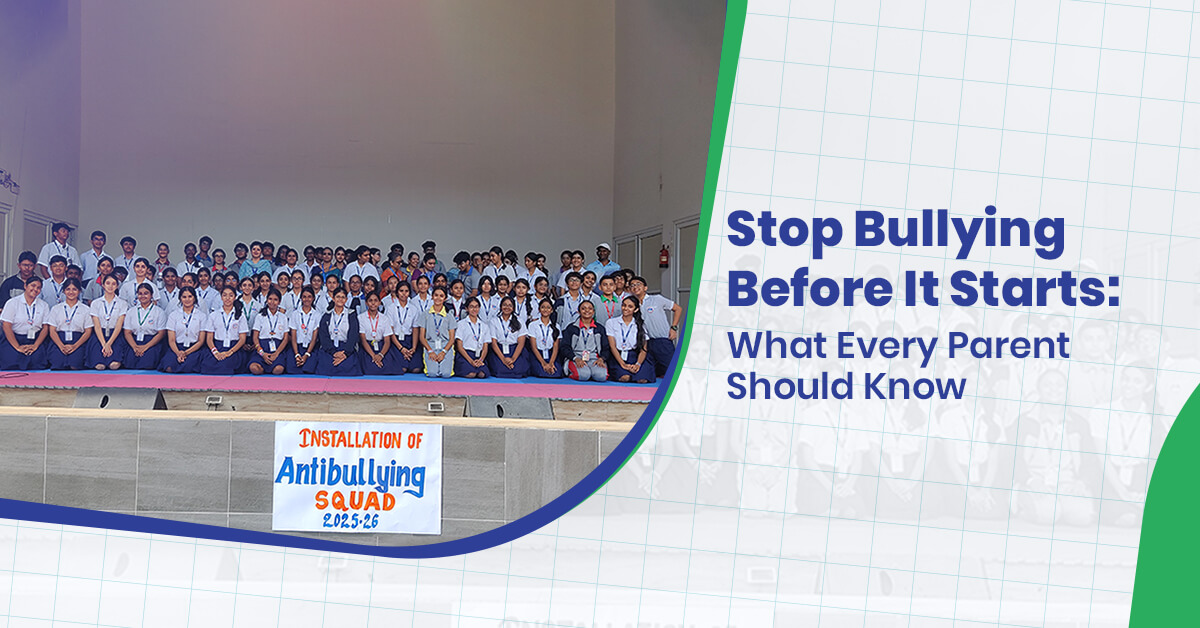
At the heart of this commitment is CHIREC’s Anti-Bullying Squad, a student-led initiative where safety and respect are built into the school’s culture. This year, new members were inducted into the squad, with Stage 9 and 10 learners proudly taking on the role of Anti-Bullying Crusaders. These students received badges symbolising their responsibility as Ambassadors and Champions who lead by example, supporting their peers, identifying concerns, and modelling kindness to ensure every child feels secure and valued.
CHIREC’s initiative focuses on education and awareness, ensuring every student understands what constitutes bullying, its harmful effects, and their role in prevention. Through interactive workshops, assemblies, and classroom discussions, students learn empathy, respect, and the importance of inclusive behaviour. The school has implemented clear reporting mechanisms that allow students to safely report incidents, ensuring swift intervention.
Staff members at CHIREC receive specialised training to spot early signs of bullying and respond appropriately. The campaign also emphasises restorative practices that focus on accountability and healing rather than simply punishment, helping both victims and those responsible to learn and grow from their experiences.
Bullying prevention is a shared responsibility requiring collaboration between parents, educators, and students. By staying informed, remaining observant, and partnering with schools committed to comprehensive anti-bullying initiatives like CHIREC International School, parents can help ensure their children experience the safe, supportive educational environment they deserve. Together, we can create communities where every child feels valued, protected, and empowered to reach their full potential.
Over time, these daily practices reshape how you think, behave, and respond to life’s ups and downs. The more you nurture positive habits, the more naturally optimism becomes part of who you are.
When individuals adopt a positive mind-set, the effect extends far beyond personal well-being, it strengthens our entire school community. Optimism fosters collaboration, trust, and creativity in classrooms and beyond. Students who feel hopeful are more likely to encourage their peers, find innovative solutions to problems, and spread kindness throughout the halls.
Imagine beginning the year with collective optimism: teams working toward shared goals, students believing in their potential, teachers inspiring growth, and families supporting one another more intentionally. A positive environment lifts everyone within it and creates a culture where learning and personal development thrive.
The start of a new year often brings resolutions and goals, but perhaps the most meaningful commitment we can make is simply to stay hopeful. Positivity doesn’t guarantee that every day will be easy, but it will change how we experience those days. It equips us to adapt, learn, and keep moving forward—no matter what challenges arise.
So as 2026 unfolds, take a moment to breathe deeply, let go of what’s behind you, and welcome the new beginnings ahead. Choose optimism not because everything is perfect, but because you have the power to shape how you meet life’s imperfections. In every challenge lies a chance to grow; in every new day, an invitation to begin again.
This year, let positivity be the light that guides your journey, turning possibilities into achievements and each day into a reason to smile.