A Closer Look at Early Years Learning at CHIREC International School
Choosing a preschool involves more than comparing facilities, curriculum and location. Parents want to understand what their child’s day in the classroom will look like, how teachers interact with young learners and how everyday activities contribute to their development.
For children in Nursery, PP1 and PP2, learning often happens through play, observation, movement and exploration. These experiences help them develop essential skills while becoming familiar with the routines and interactions of a classroom.
CHIREC International School’s The Learning Lab offers prospective families an opportunity to experience this approach firsthand through an interactive Early Years classroom session at its Jubilee Hills campus.
What Is The Learning Lab at CHIREC?
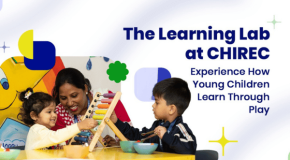
The Learning Lab is an interactive Early Years Open House designed to introduce parents and children to CHIREC’s teaching and learning approach.
Unlike a conventional school open house, which may focus on campus facilities, curriculum presentations and admissions information, The Learning Lab centres on the classroom experience itself.
Children participate in age-appropriate activities while parents observe how teachers introduce concepts, encourage participation and support learning through play.
The idea is to help families understand how young children learn at CHIREC by seeing the approach in practice rather than only reading about it.
Why Learning Through Play Matters in Early Childhood
Play is an important part of early childhood development. Young children learn by handling objects, exploring materials, moving around, observing others and trying things for themselves.
A simple activity such as building with blocks can involve coordination, spatial awareness and problem-solving. Drawing and painting help children practise controlled hand movements and express their ideas. Group games introduce sharing, communication and taking turns.
These activities support several areas of development:
- Fine motor skills: Handling small objects, drawing, painting and building.
- Gross motor skills: Developing balance, movement and physical coordination.
- Eye-hand coordination: Using visual information to guide hand movements.
- Problem-solving: Exploring different ways to complete an activity.
- Social development: Learning to communicate, cooperate and interact with others.
The value of play lies not only in keeping children engaged but also in giving them opportunities to practise these skills in familiar, age-appropriate ways.
CHIREC explores this approach further in its article on how learning through play benefits children.
What Happens During The Learning Lab?
The Learning Lab gives children an opportunity to participate in activities similar to those used in an Early Years learning environment.
The experience focuses on three main areas.
1. Sensory Exploration
Children explore different materials, textures and objects through hands-on activities. These experiences encourage observation, coordination and an understanding of their surroundings.
2. Creativity and Play-Based Activities
Activities involving colours, art materials and simple challenges encourage children to experiment, make choices and express themselves. They also provide opportunities to practise concentration, coordination and problem-solving.
3. Classroom Interaction
Parents get a glimpse of how teachers conduct an Early Years session, introduce activities and guide children through different learning experiences.
Rather than watching a formal demonstration, families can observe how learning takes place through participation, interaction and exploration.
How CHIREC Approaches Early Years Education
At CHIREC, the Early Years curriculum combines play-based and experiential learning with activities that support children’s physical, cognitive, social and emotional development.
The school’s preschool programme encourages children to explore their surroundings, ask questions, communicate their ideas and gradually become more independent.
Real-life experiences and role play are also part of this approach. Activities such as gardening, exploring a fruit market and pretending to board an aeroplane help children connect classroom learning with situations they may encounter outside school.
These experiences give children opportunities to follow instructions, make decisions, interact with others and practise everyday skills.
Parents can explore CHIREC’s Pre-Primary Programme to understand the curriculum and learning experiences offered during the foundational years.
What Parents Should Observe During an Early Years Classroom Experience
For parents considering a preschool in Jubilee Hills, understanding the classroom environment is just as important as reviewing the curriculum and facilities. Observing how teachers interact with children, introduce activities and encourage participation can offer a clearer picture of the school’s approach to early learning.
During The Learning Lab, parents can pay attention to a few important aspects of the classroom experience.
How teachers communicate with children
Notice how activities are explained, how teachers encourage participation and how they respond when a child needs additional support.
How children engage with activities
Young children have different interests and levels of confidence. Observe whether activities provide opportunities to explore, participate and learn at a comfortable pace.
How independence is encouraged
Simple opportunities to choose materials, attempt a task or complete part of an activity independently can help children develop confidence in their abilities.
How play connects with learning
Look at how activities support skills such as coordination, communication, creativity and problem-solving.
These observations can help parents understand how a school’s teaching approach translates into everyday classroom experiences.
For additional guidance on preschool selection, read our blog How Do You Know a School Is Right for Your Child’s First Years? which explores some of the factors families can consider before making an admission decision.
How to Prepare Your Child for The Learning Lab
For some children, The Learning Lab may be their first experience of participating in an activity inside an unfamiliar classroom.
A little preparation can help them feel more comfortable.
Parents can explain that they will be visiting a school where they can play, explore materials and participate in activities with teachers.
There is no need to prepare children academically or expect them to complete every activity independently. Some children may participate immediately, while others may prefer to observe before joining in.
Allowing children to explore at their own pace can make the experience more enjoyable and give parents a better understanding of how their child responds to a new learning environment.
Frequently Asked Questions
What is The Learning Lab at CHIREC?
The Learning Lab is an interactive Early Years Open House where prospective families can experience CHIREC’s approach to preschool education through hands-on activities, play and classroom interaction.
Who can attend The Learning Lab?
The event is designed for prospective parents and children in the Nursery, PP1 and PP2 age groups.
What activities will children experience at The Learning Lab?
Children will participate in age-appropriate activities involving sensory exploration, creativity and play. These activities demonstrate how classroom experiences can support coordination, communication, problem-solving and other developmental skills.
How is The Learning Lab different from a regular school open house?
A regular school open house often includes campus tours, curriculum presentations and admissions discussions. The Learning Lab focuses on giving families a firsthand experience of how young children learn inside CHIREC’s classrooms.
Do children need to prepare for The Learning Lab?
No academic preparation is required. The activities are designed to be age-appropriate and interactive, allowing children to participate and explore in a classroom setting.
CHIREC Learning Lab at Jubilee Hills: Event Details & Registration
CHIREC International School will host The Learning Lab on Saturday, 31 October 2026, from 10:00 AM onwards at its Jubilee Hills campus.
The event is designed for children in Nursery, PP1 and PP2, along with their parents.
For families considering preschool admission, The Learning Lab offers an opportunity to observe CHIREC’s Early Years teaching approach, experience classroom activities and understand how learning through play is incorporated into the programme.
See How Your Child Learns, Explores and Grows at CHIREC.